What Is Overtrading?
BY TIOmarkets
|February 12, 2026Overtrading is one of the most common mistakes traders make, especially beginners. Many new traders ask, what is overtrading, without realizing they are already doing it. Overtrading happens when a trader opens too many trades or trades too often without a clear plan or reason. This habit can quickly lead to losses, stress, and inconsistent trading results.
What’s Included in this Article
This article will help you understand overtrading in detail. You will learn what it is, the main causes of overtrading, how to identify it, strategies to prevent it, and the serious consequences of overtrading. By the end, you will know how to avoid this common pitfall and trade more effectively.
Signs You Are Overtrading
Overtrading can be difficult to spot at first. Traders often don’t realize that their frequent trades are harming their results. If you notice behaviors such as trading without a plan or feeling pressured to recover losses, you may be overtrading.
Some common signs of overtrading include:
- Placing many trades in a short period
- Trading even when no clear setup exists
- Feeling stressed or rushed while trading
- Attempting to recover losses quickly
- Ignoring your trading plan
Recognizing these signs early is key to controlling your trading habits.
Strategies to Prevent Overtrading
Preventing overtrading starts with discipline. Traders need to follow structured approaches to reduce impulsive trading. Building strong habits ensures that trades are executed only when they are high quality.
Here are some effective strategies to prevent overtrading:
- Create and follow a trading plan: Always stick to your rules and criteria for entering trades.
- Set daily trade limits: Decide in advance how many trades you will make each day.
- Use a trading journal: Track all your trades to identify overtrading patterns.
- Wait for quality setups: Only trade when conditions match your strategy.
- Take breaks after losing trades: Pause to avoid emotional trading decisions.
By implementing these strategies, traders can stay disciplined and protect their capital.
How to Avoid Overtrading
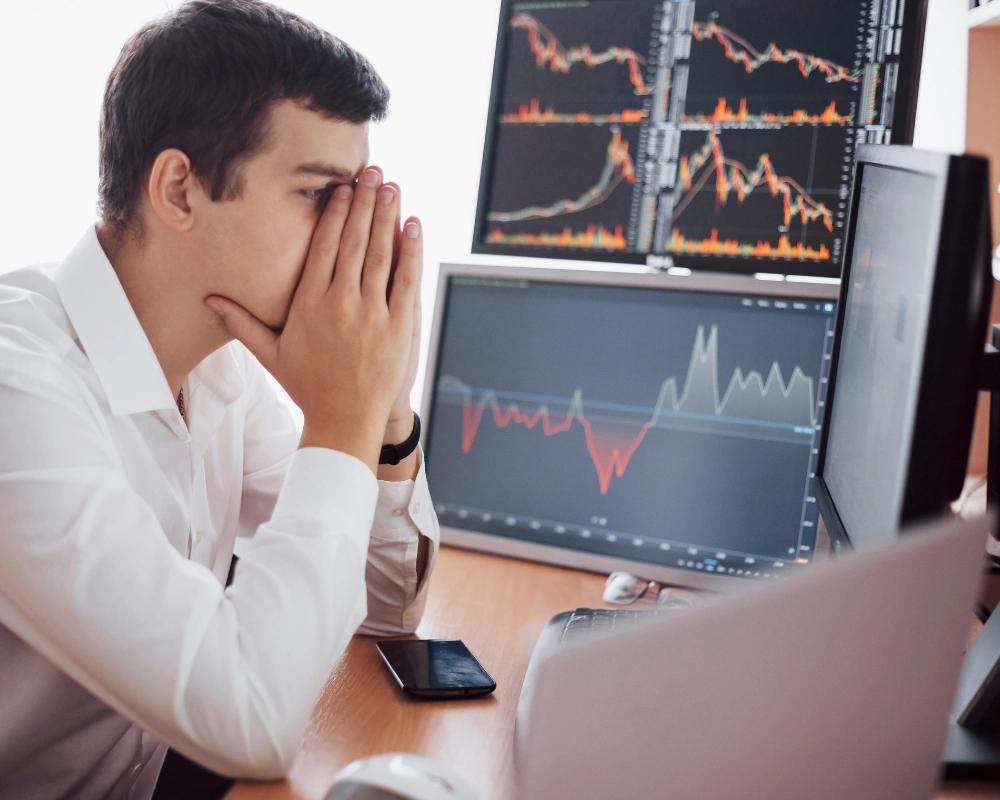
Avoiding overtrading involves a combination of planning, patience, and emotional control. Trade only during planned hours and focus on the quality of your trades rather than the quantity. Not every day will present profitable opportunities, and trying to force trades often leads to losses.
Other tips include:
- Accept that missing trades is okay
- Trade based on strategy, not emotions like fear or greed
- Monitor your trading patterns to identify repetitive mistakes
When you consistently apply these principles, overtrading can be avoided, and trading performance improves.
Risks of Overtrading
Overtrading is not just a minor mistake; it carries real risks. Traders who overtrade expose themselves to unnecessary losses and stress. Overtrading can lead to emotional burnout, depleted account balances, and inconsistent performance.
Some consequences include:
- Increased losses due to impulsive decisions
- Emotional burnout from stress and frustration
- Lower account balance as trades go against you
- Loss of confidence and difficulty sticking to plans
- Inconsistent trading performance, making it hard to track results
Understanding these risks reinforces why controlling overtrading is essential.
FAQs
What is overtrading, and why is it harmful?
Overtrading means trading too often or without a valid setup. It is harmful because it increases risk, emotional stress, and trading losses.
How can I tell if I am overtrading?
If you trade out of boredom, revenge, or fear of missing out, you may be overtrading.
How does overtrading affect trading performance?
It leads to poor entries, emotional decisions, and lower overall performance.
What are the signs of emotional overtrading?
Trading after losses, feeling anxious, or breaking trading rules are all signs of emotional overtrading.
How can I prevent or stop overtrading?
Set limits, follow a trading plan, and control your emotions to prevent overtrading.
Can trading journals help identify overtrading patterns?
Yes. Journals help traders spot bad habits and repeated mistakes, including overtrading.
Conclusion
Understanding what is overtrading helps traders protect both their capital and their mindset. The causes of overtrading usually come from emotions and lack of discipline. By learning the risks and implementing strong trading habits, you can avoid the serious consequences of overtrading. Remember, smart trading is not about doing more trades—it’s about making better trades.
Key Takeaways
Overtrading can sabotage even the best trading strategies. Key points include:
- Overtrading is trading too often without a clear reason
- Emotional decisions, boredom, and poor planning are common causes
- Overtrading increases losses and stress
- Discipline, patience, and a trading plan prevent overtrading
- Fewer, high-quality trades lead to better results
Risk disclaimer: CFDs are complex instruments and come with a high risk of losing money rapidly due to leverage. You should consider whether you understand how CFDs work and whether you can afford to take the high risk of losing your money. Never deposit more than you are prepared to lose. Professional client’s losses can exceed their deposit. Please see our risk warning policy and seek independent professional advice if you do not fully understand. This information is not directed or intended for distribution to or use by residents of certain countries/jurisdictions including, but not limited to, USA & Countries included in the OFAC sanction list. The Company holds the right to alter the aforementioned list of countries at its own discretion.
TIOmarkets offers an exclusively execution-only service. The views expressed are for information purposes only. None of the content provided constitutes any form of investment advice. The comments are made available purely for educational and marketing purposes and do NOT constitute advice or investment recommendation (and should not be considered as such) and do not in any way constitute an invitation to acquire any financial instrument or product. TIOmarkets and its affiliates and consultants are not liable for any damages that may be caused by individual comments or statements by TIOmarkets analysis and assumes no liability with respect to the completeness and correctness of the content presented. The investor is solely responsible for the risk of his/her investment decisions. The analyses and comments presented do not include any consideration of your personal investment objectives, financial circumstances, or needs. The content has not been prepared in accordance with any legal requirements for financial analysis and must, therefore, be viewed by the reader as marketing information. TIOmarkets prohibits duplication or publication without explicit approval.
Join us on social media




Behind every blog post lies the combined experience of the people working at TIOmarkets. We are a team of dedicated industry professionals and financial markets enthusiasts committed to providing you with trading education and financial markets commentary. Our goal is to help empower you with the knowledge you need to trade in the markets effectively.